As we celebrate Thanksgiving in Canada, we give thanks for the privilege of joining God in His work across Northern Ghana.
Behind every project is a person, every number is a story, and every accomplishment reflects a community, a partner, and a faithful God.
Recently, Fordjour Andrews, an NEA-sponsored student, returned to the NEA site with his mother—not to ask for anything, but simply to say thank you. Their visit echoes the biblical story of the leper who returned to thank Jesus after being healed.
Andrews is now a 2026 Bachelor of Science in Biological Science graduate of Kwame Nkrumah University of Science and Technology (KNUST). For his mother, this achievement represents a dream fulfilled and a source of immense joy and pride.
With heartfelt gratitude, she shared:
“Through your sponsorship, I now have a son who is a graduate and I am very happy.”
Her words remind us that educational sponsorship is about more than paying school fees—it is about opening doors, nurturing potential, and bringing hope to families.
Andrews first came seeking sponsorship; he returned as a graduate, with his mother carrying a message of gratitude. A powerful reminder of the lasting impact of your generosity.
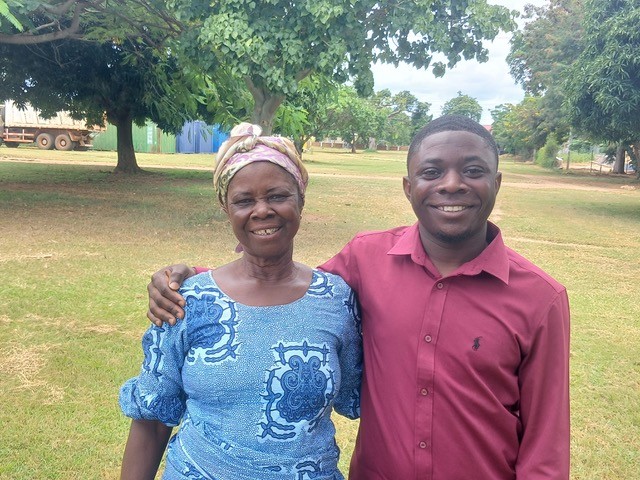
Fordjour Andrews with his mom.
At the heart of it all is the love of Christ, motivating us to serve with compassion and hope.
These are their stories. Together, they are our shared impact.
Shalom,


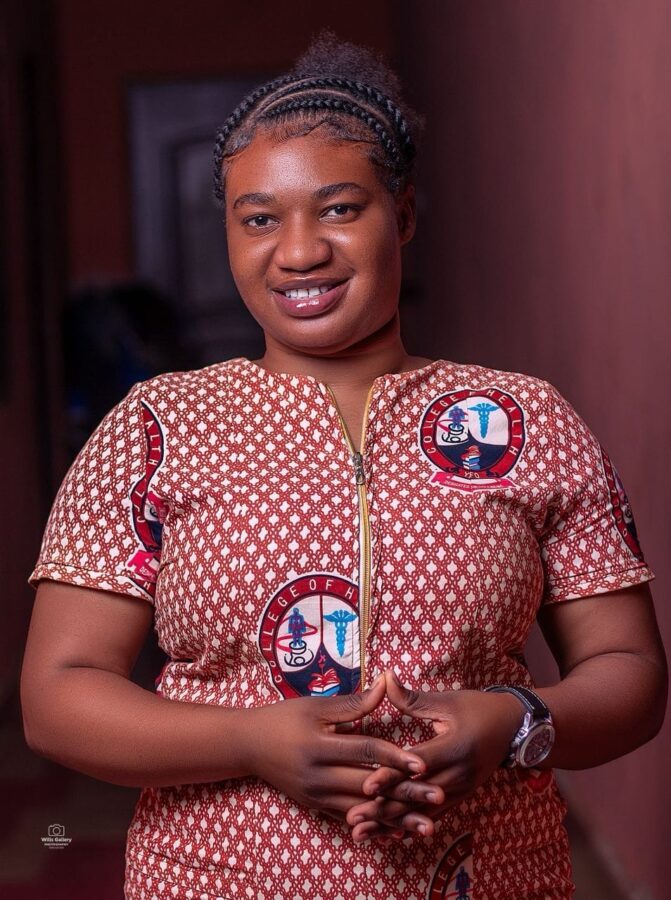
Emmanuela Yaageeka Gyinde
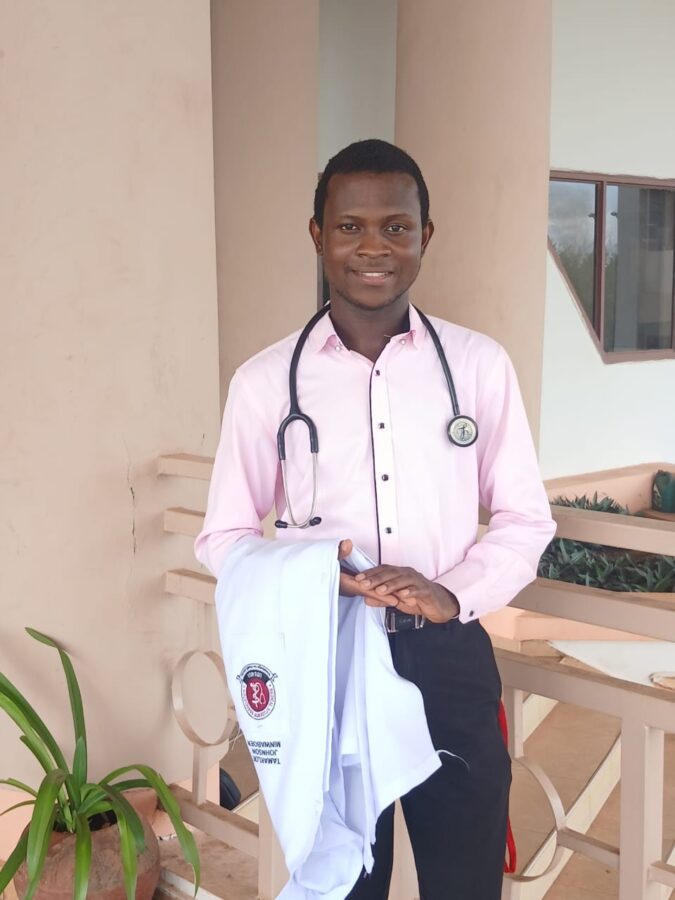
Minwaboen Johnson Tamakloe

Prudence Jimah proudly receives the Outstanding Course Representative of the Year Award in recognition of her leadership and dedication.
“Coming from a farming family, the scholarship from the Northern Empowerment Association has been a great relief to me and my family. It has helped reduce the financial burden of my education and allowed me to focus more on my studies, leadership, and personal development.
Throughout my university journey, I have also had opportunities to serve and grow as a leader. I served as the Departmental Member of Parliament for the Agricultural and Bioresource Engineering Student Association at University of Energy and Natural Resources (UENR) in Sunyani, where I was able to contribute to student leadership and advocacy. I have also been involved in other leadership and community activities that have helped me develop skills and a greater sense of responsibility toward others.
The support I received from NEA has encouraged me to work harder and believe that my dreams are possible. Knowing that someone believed in my potential has motivated me to make the most of the opportunity I was given.
I sincerely thank the Northern Empowerment Association and its sponsors for believing in me and investing in my education. By God’s grace, I will continue to work hard and use my education in Agricultural Engineering to make a positive impact in agriculture and in my community.”
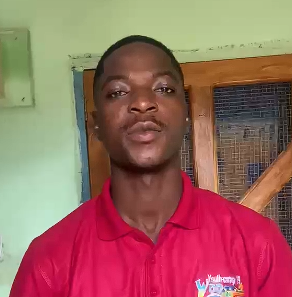
Oyontey Nelson
Bsc. Agricultural Engineering Student (Scholarship Recipient)
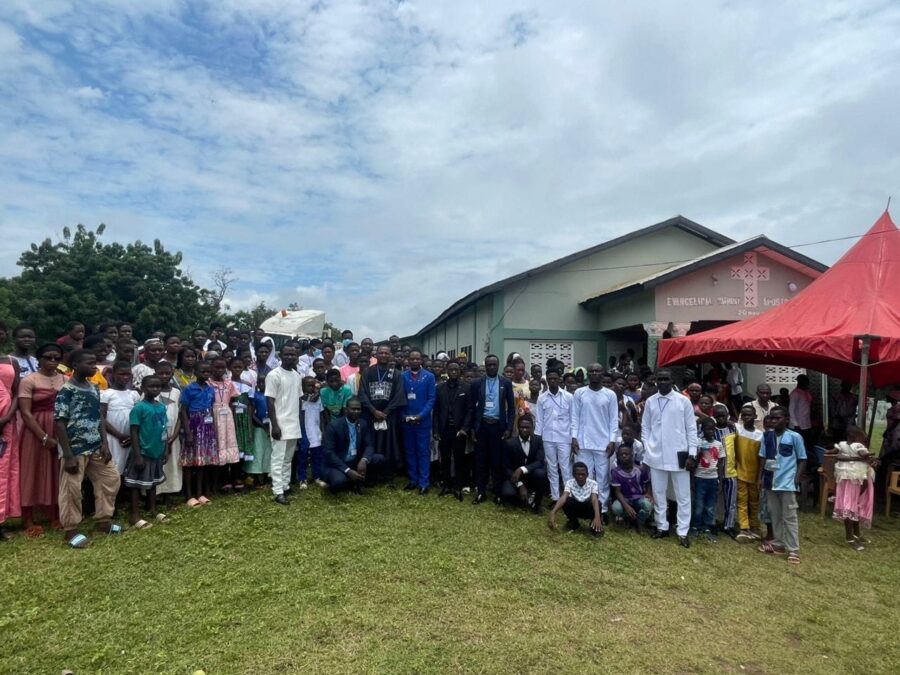
300 youth gathered together for their annual Youth Conference. We thank Him for the fellowship shared, the lives touched, and the opportunities to encourage and equip the next generation.

New farm equipment is helping farmers across several communities prepare their fields more efficiently and make the most of the planting season.
In Teselima, farmer Habiba Salifu benefited from the ploughing services, helping her cultivate a bountiful harvest of peanuts. For Habiba and her family, a good harvest means more than food—it helps provide for their household needs and strengthens their livelihood.
With support that reaches the farm, families like Habiba’s are better equipped to provide for today and build toward a more secure future.
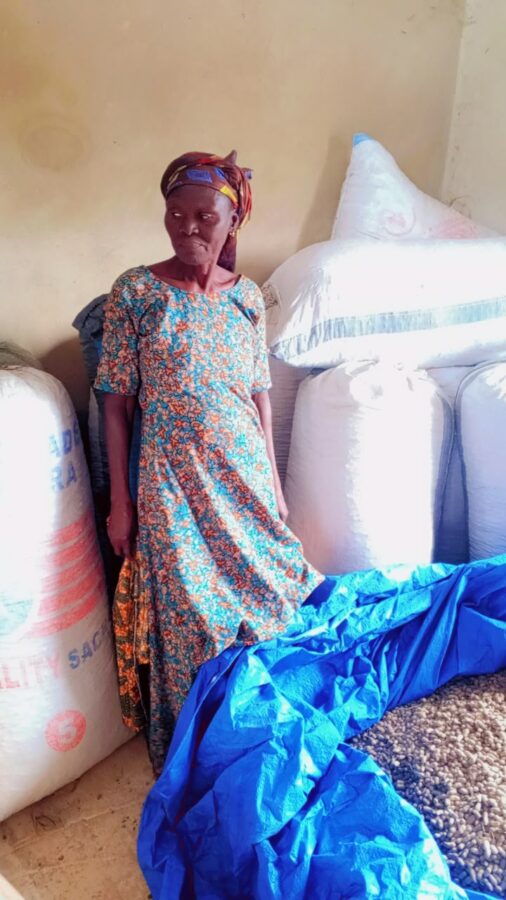
Habiba Salifu with her bountiful peanut harvest.

Two years ago, a newborn arrived at Leyaata Hospital with a rare skin condition requiring specialized care. With expert treatment and close monitoring, the baby’s skin transformed beautifully within a week. Without appropriate medical care, the condition could have placed his life at serious risk. Today, nearly two years later, he is growing beautifully, and the hospital team continues to monitor his well-being. We praise God for preserving this precious life.
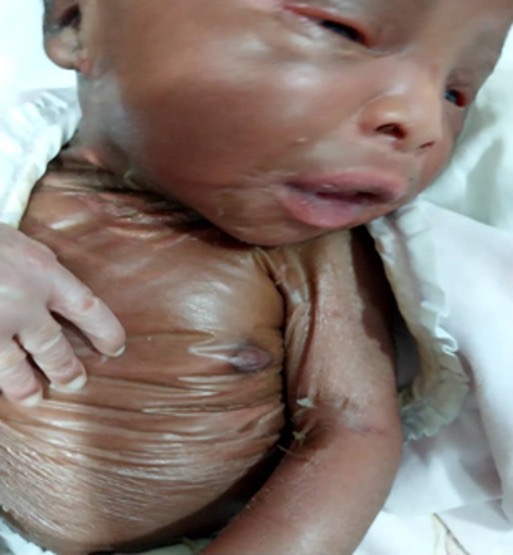
Two Years Ago
Today
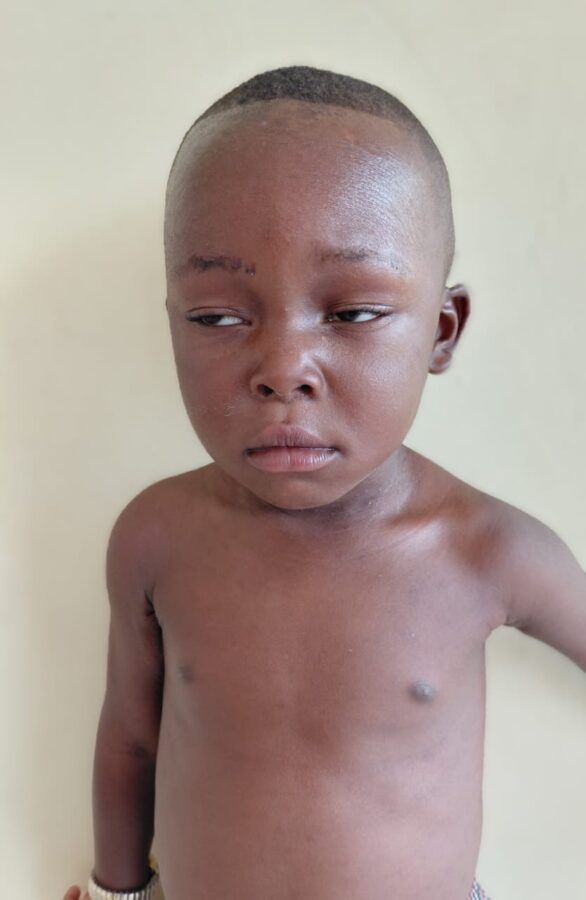
One child. One life preserved. One story that reminds us why compassionate healthcare matters.
Three lives are receiving vital support. Sophia, a young woman caring for her parents, received help to begin a sewing livelihood. A young man is receiving support toward a prosthetic arm, while another is receiving assistance for an emergency hip replacement surgery.
Through your generosity, people facing difficult circumstances are finding practical help, renewed hope, and the opportunity to move forward.
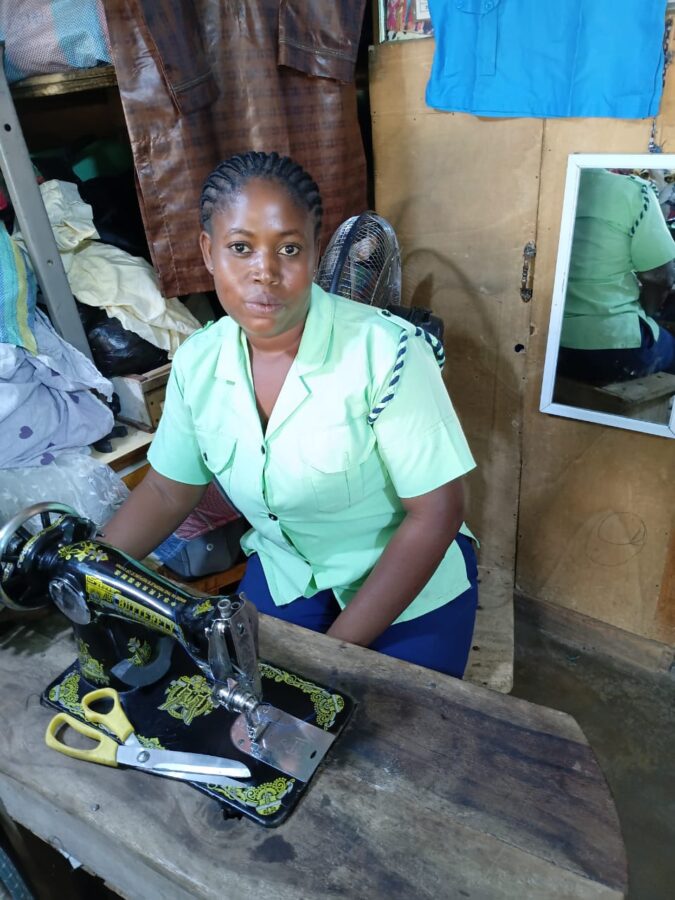
Sophia Nsoah
Lasting change begins with relationships. For decades, GRID & NEA have served alongside communities through listening, collaboration, and mutual trust. This means more than implementing programs—it means being present, equipping local leaders, listening to challenges, and walking alongside people as they seek better health and stronger communities.
Through the Wi Songla Project, NEA (Northern Empowerment Association) partners with Hope Rises International (formerly the American Leprosy Mission), local pastors, and women leaders to reduce stigma, identify people affected by Neglected Tropical Diseases (NTDs), and connect them with the care and support they need. This commitment to relationship-centered care continues to make a meaningful difference in the lives of people affected by NTDs.
During the fourth quarter, project teams and Agents of Change made 15 field visits to communities, health workers, and people affected by NTDs. These visits were more than monitoring activities. They created opportunities to listen, understand challenges, follow up with patients, and work together to find solutions.
Trust in Action
Local pastors, women leaders, health workers, and Agents of Change are helping carry NTD awareness into the places where people live, learn, worship, and gather.
Through 22 community, school, and church outreach activities, 3,035 people received information about NTD prevention, early detection, treatment, and referral. And when people were identified as needing care, the relationship did not end with a referral.
Six suspected cases were referred for medical assessment. Five were confirmed as NTDs. Patients received treatment, counselling, prayer, follow-up care, and support to access additional medical services when needed.
For those facing more complex conditions, the project continued to walk alongside them. Four patients received support toward specialized surgical care, including hydrocele and Buruli ulcer cases. Wound-care kits were also provided to help patients manage their conditions safely and continue their recovery at home.
More Than Medical Care
For the Wi Songla Project, caring for people means caring for the whole person.
All five confirmed NTD patients received spiritual support through prayer and counselling during the quarter—offering encouragement, restoring hope, and reminding individuals that they are valued by their communities.
This is what trust looks like:
Listening. Showing up. Following through.
It means building relationships strong enough that people feel safe to seek help, communities are equipped to respond, and patients know they do not have to face their journey alone.
The Impact of Walking Together
The numbers tell part of the story:
15 field visits
22 awareness activities
3,035 people reached
6 suspected cases referred
5 NTD cases confirmed
4 patients supported toward surgical care
5 patients receiving spiritual support
But behind every number is a person—and behind every person is a story.
Trust is not simply part of how we work. It is how lasting change begins.

Community training to address the problem of neglected tropical diseases ongoing in 90 communities.
At just 26, Mamoud Fuseina had already taken an important step toward fulfilling her dream. After graduating from college with a qualification in Disease Control, she hoped to serve her community by helping prevent diseases and protect the health of vulnerable people.
Then, an unexpected diagnosis threatened to change everything.
Fuseina developed an advanced case of Buruli ulcer, a neglected tropical disease that caused severe damage to her skin and underlying tissue. Following a thorough medical assessment, clinicians determined that reconstructive surgery would be needed to repair the affected area.
For Fuseina and her family, the news was devastating. Her parents are subsistence farmers who work hard to provide for their family, and the cost of surgery was far beyond their means. Without support, Fuseina’s recovery—and the future she had worked so hard to build—was uncertain.
That is when the Wi Songla Project, a joint project with Hope Rises International (formerly the American Leprosy Mission), stepped in.
Recognizing the urgency of her condition and the financial hardship facing her family, the project committed to covering the cost of her reconstructive surgery. For Fuseina, this support brought renewed hope and the possibility of moving forward with treatment.
During routine pre-operative assessments, however, doctors discovered that Fuseina was anaemic. Proceeding with surgery at that time would have posed additional risks, so the medical team began appropriate treatment to improve her blood levels before the operation could safely take place.
Although the surgery had to be postponed, Fuseina was not left to face the challenge alone. With the financial burden lifted and a treatment plan in place, she could focus on regaining her strength and preparing for the procedure ahead.
Through it all, Fuseina has held on to her dream of making a difference. Having experienced firsthand the physical, emotional, and financial challenges of living with a neglected tropical disease, she hopes to use her training in Disease Control to help others facing similar struggles. She wants her journey to encourage patients not to lose hope and remind communities of the importance of seeking treatment early, before diseases become disabling.
Fuseina’s journey reminds us that healthcare support is about more than treating illness. It is about protecting dignity, restoring hope, and helping people reclaim the future they have worked so hard to build.
Through the Wi Songla Project, Fuseina has renewed hope for her own future—and a stronger determination to help others find theirs.
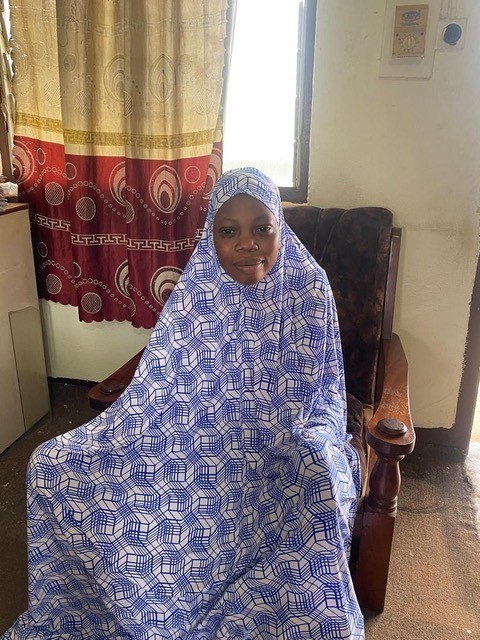
Mamoud Fuseina
Your prayers, generosity, encouragement, and partnership make it possible for these stories to continue.
And there are still more stories waiting to be written.
More students to equip.
More patients to care for.
More farmers to support.
More young people to encourage.
More leaders to strengthen.
More communities to serve.
More lives to reach with the love of Christ.
PRAY • GIVE • SHARE • PARTNER
Every prayer matters. Every gift matters. Every partnership matters.

Leave a Reply